Source 5050 led halo ring for Universal Cars, Offroad Vehicles, and Manufacturing
Compare 30 listings for the 5050 led halo ring designed for universal cars, offroad vehicles, and manufacturing applications. Buyers can review specifications like voltage, waterproof ratings, and warranty periods from suppliers in China.
Key considerations
Products List



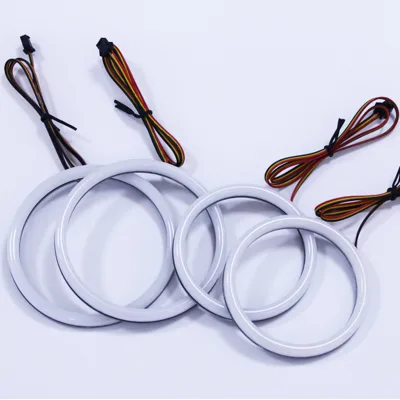
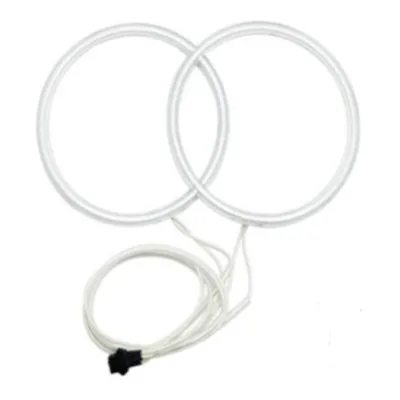
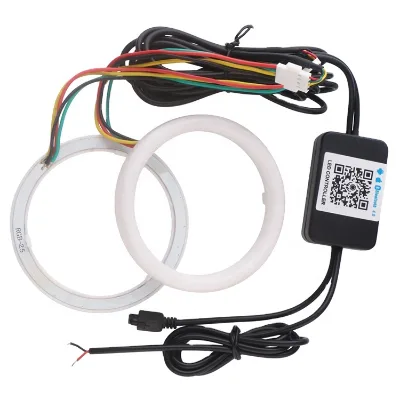


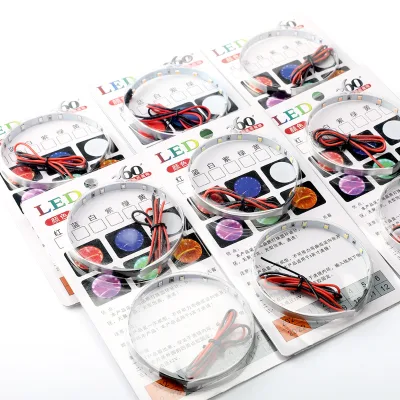
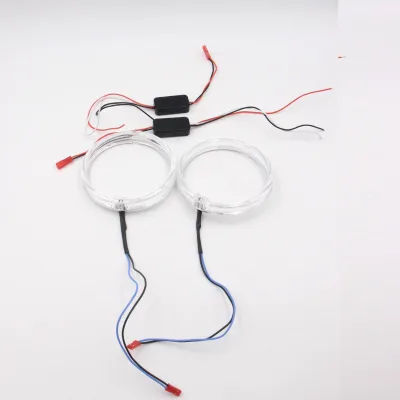
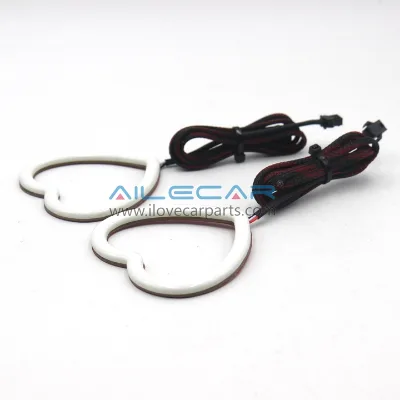
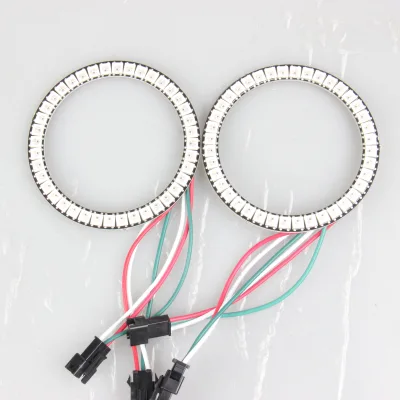
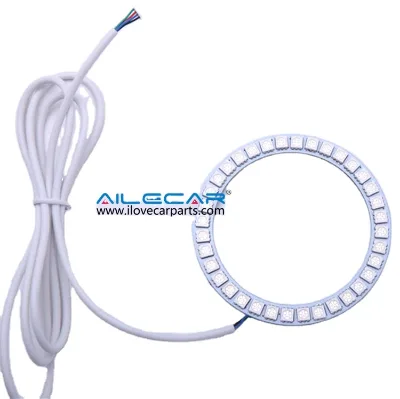


Comprehensive Sourcing Guide
Strategic Sourcing Guide for 5050 LED Halo Rings
The automotive lighting aftermarket has seen a significant shift toward customizable and high-efficiency illumination solutions, with the 5050 LED halo ring emerging as a critical component for modern vehicle styling. These rings, often referred to as "Angel Eyes," serve both aesthetic and functional purposes, providing a distinctive signature look while enhancing visibility. For B2B procurement professionals, sourcing these components requires a nuanced understanding of technical specifications, supply chain logistics, and quality assurance protocols. This guide provides a structured approach to evaluating suppliers and products, ensuring that procurement decisions are grounded in verifiable data and industry standards rather than marketing claims.
Technical Specifications and Component Analysis
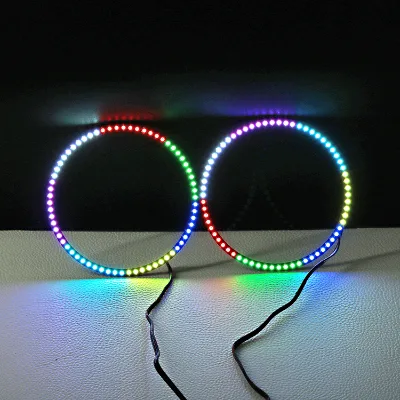
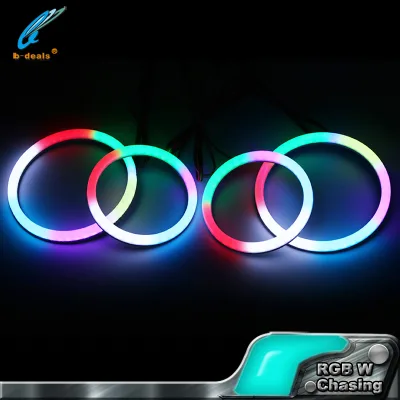
When evaluating 5050 LED halo rings, the primary focus must be on the LED chip architecture and the supporting circuitry. The 5050 designation refers to the physical dimensions of the LED package, typically measuring 5.0mm by 5.0mm. In the context of the observed market data, specific configurations such as the SK6812 chip are noted for their advanced capabilities. This chip type supports individual pixel control, enabling complex lighting effects like chasing flows and color shifts, which are highly desirable for customization.
The electrical characteristics are equally critical. Most observed units operate on a standard 12V DC voltage, which aligns with the electrical systems of standard passenger vehicles and off-road vehicles. However, buyers must verify the actual voltage tolerance of the specific batch, as some specialized units may require different input parameters. The material composition of the halo ring also dictates its durability and heat dissipation. Common materials observed include special PCBs and combinations of plastic with PCB substrates. The choice of material impacts the thermal management of the LEDs; a robust PCB is essential to prevent overheating, which can lead to premature failure or color degradation over time.
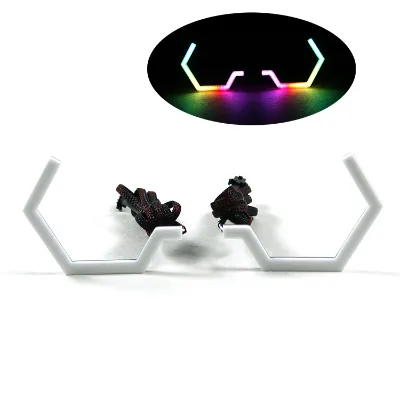
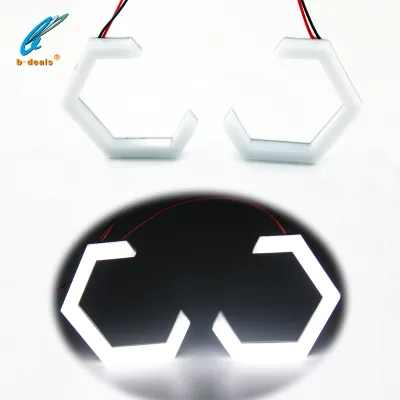
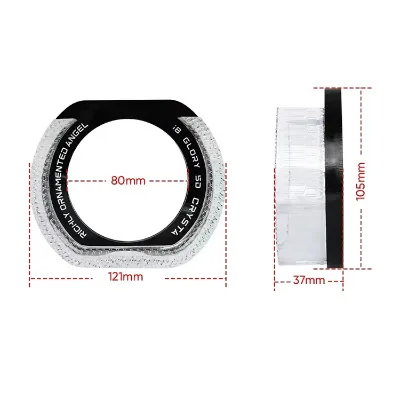
Furthermore, the physical dimensions of the product vary significantly based on the intended application. Observed model numbers such as B-F150R-2 and HEX86-B-2835 suggest specific sizing requirements, with dimensions ranging from 150mm to 46x46x10 cm for packaging. The single package size is a crucial metric for logistics planning, as it directly influences shipping costs and storage efficiency. Buyers should cross-reference the model number with the physical size to ensure compatibility with the vehicle's headlight housing, particularly for universal applications where fitment can be challenging.
Compliance, Certification, and Regulatory Standards
Navigating the regulatory landscape is a non-negotiable aspect of B2B procurement. The certification status of LED halo rings varies widely among suppliers. While some products in the market list certifications such as EMC and RoHS, others may have an "unknown" certification status. EMC (Electromagnetic Compatibility) is vital for ensuring that the LED rings do not interfere with the vehicle's electronic systems, such as the ECU or radio. RoHS (Restriction of Hazardous Substances) compliance ensures that the product does not contain restricted hazardous materials, which is a requirement for selling in many international markets, including the European Union.
Buyers must exercise caution when encountering products with unverified certification claims. The presence of a certification label does not guarantee compliance unless accompanied by valid documentation from an accredited testing body. In the absence of explicit certification data, procurement teams should request test reports or certificates of conformity before placing large orders. Additionally, while CE marking is often associated with European compliance, it should be treated as a background indicator rather than a standalone guarantee of quality without supporting evidence.
Waterproofing is another critical compliance factor, especially for automotive applications exposed to the elements. Observed data indicates waterproof ratings ranging from IP67 to IP68. IP67 implies protection against temporary immersion in water, while IP68 offers continuous immersion protection. For off-road vehicles or applications in high-rainfall regions, an IP68 rating is preferable. Buyers should verify the specific test conditions under which these ratings were achieved, as marketing claims can sometimes exaggerate performance capabilities.
Cost Drivers and Pricing Dynamics
The pricing of 5050 LED halo rings is influenced by a complex interplay of factors, including component quality, customization, and order volume. The observed price range in the market spans from $0.20 to $600 USD, a vast disparity that reflects the difference between basic components and fully integrated, high-end systems. The lower end of the spectrum typically corresponds to simple, non-addressable LED strips with standard color outputs, while the higher end includes units with advanced chips like the SK6812, custom PCB designs, and specialized packaging.
Minimum Order Quantity (MOQ) is a significant cost driver. The observed MOQ range is between 1 and 500 sets, with many suppliers setting a baseline of 10 sets. This flexibility allows smaller buyers to test the market without committing to large inventories. However, larger orders often benefit from economies of scale, reducing the per-unit cost. Buyers should negotiate based on volume tiers, keeping in mind that the "single item" selling unit structure may apply to initial trials.
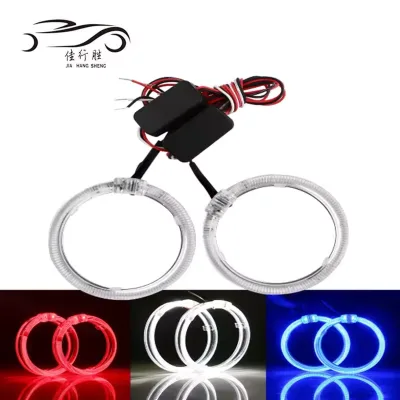
Other cost factors include the complexity of the light color configuration. Units offering multi-color capabilities, such as blue, red, and green, or dynamic color-shifting features, generally command a higher price than single-color units. The brand name and warranty period also influence pricing; products from established brands with longer warranty terms, such as 2 years compared to 1 year, often carry a premium. Additionally, the inclusion of OEM services can add to the cost, as it involves custom tooling and design work.
Typical Applications and Vehicle Compatibility
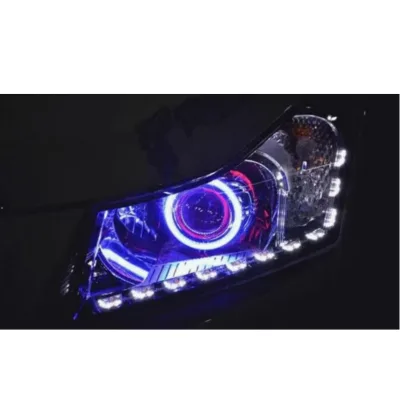
The versatility of 5050 LED halo rings makes them suitable for a wide range of automotive applications. The primary use case is decorative, enhancing the visual appeal of the vehicle's front fascia. However, they also serve functional roles, such as providing daytime running lights (DRL) or auxiliary lighting for off-road vehicles. The observed "universal" application designation indicates that these rings are designed to fit a broad spectrum of vehicle models, though specific model numbers like B-F150R-2 suggest tailored solutions for certain makes.
For off-road vehicles, the durability and brightness of the halo rings are paramount. Units with a lumen output of 300LM and a wattage of 5W are observed, providing sufficient illumination for working lights. The color temperature, typically ranging from 6000K to 6500K, produces a natural white light that mimics daylight, improving visibility in low-light conditions. This is particularly important for vehicle working applications where clarity is essential.
The purpose of the product also dictates its design. Some units are intended for manufacturing, serving as components for larger lighting assemblies, while others are designed for replacement or repair. Buyers must clearly define the end-use scenario to select the appropriate product. For instance, a replacement unit must match the exact dimensions and electrical specifications of the original equipment, whereas a manufacturing component may require customization for integration into a new design.
Supplier Evaluation and Quality Assurance
Selecting the right supplier is critical to ensuring product reliability and supply chain stability. The place of origin is a key indicator of manufacturing capability. Observed data points to suppliers located in Jiangxi and Guangdong, China, both of which are major hubs for electronics manufacturing. Guangdong, in particular, is known for its advanced supply chain infrastructure and high concentration of LED manufacturers.
When evaluating suppliers, buyers should prioritize those who provide transparent information about their production processes and quality control measures. The condition of the product, typically listed as "New," should be verified through sample inspection. Buyers should also assess the supplier's ability to handle custom requests, such as OEM services, which are noted as available in the market.
Quality control should be a continuous process, not just a final inspection step. Buyers should request samples to test for critical attributes such as waterproofing, color consistency, and thermal performance. The life span of the LEDs, observed at 50,000 hours, is a key performance metric that should be validated through accelerated aging tests. Additionally, the warranty terms, ranging from 12 months to 2 years, serve as a proxy for the supplier's confidence in their product quality. A longer warranty period often indicates a higher standard of manufacturing and a commitment to customer satisfaction.
Long-Term Procurement Considerations
Sourcing 5050 LED halo rings is not a one-time transaction but a strategic partnership that requires long-term planning. Buyers should consider the scalability of the supply chain, ensuring that the supplier can meet increasing demand without compromising quality. The single gross weight of the product, observed at 0.350 kg to 2.000 kg depending on the model, impacts shipping logistics and storage costs. Efficient packaging, such as the 15x9x14 cm single package size, can reduce waste and lower shipping expenses.
Inventory management is another critical consideration. With an MOQ as low as 1 set, buyers can adopt a just-in-time inventory strategy to minimize holding costs. However, for larger orders, buyers should negotiate favorable lead times and payment terms to optimize cash flow. The warranty period also plays a role in long-term cost management; a product with a 2-year warranty may reduce the total cost of ownership by minimizing replacement costs.
Finally, buyers should stay informed about technological advancements in the LED industry. As the market evolves, new chip technologies and lighting effects may become standard. Maintaining a flexible procurement strategy allows buyers to adapt to these changes and remain competitive. By focusing on verified specifications, robust quality control, and strategic supplier relationships, procurement professionals can secure high-quality 5050 LED halo rings that meet the demands of the modern automotive market.
Comparative Analysis of Product Attributes
To facilitate informed decision-making, the following table summarizes key attributes observed in the market for 5050 LED halo rings. This comparison highlights the diversity in specifications and helps buyers identify products that align with their specific requirements.
| Attribute | Observation 1 | Observation 2 | Observation 3 |
|---|---|---|---|
| LED Chip | SK6812 | Standard 5050 | Standard 5050 |
| Voltage | 12 V | 12V | 12 V |
| Material | Special PCB | Plastic+PCB | Plastic+PCB |
| Waterproof | IP67 | IP68Waterproof | IP67 |
| Color | Colorful | White | Natural White |
| Warranty | 1 year | 2 years | 12 Months |
| Certification | Unknown | EMC, RoHS | Unknown |
| Place of Origin | Jiangxi, China | Guangdong | Guangdong |
| Application | Universal Cars | Vehicle Working | Universal Cars |
| Model Number | B-F150R-2 | HEX86-B-2835 | 7Inch |
| Single Gross Weight | 0.0 kg | 0.350 kg | 2.000 kg |
This table underscores the importance of verifying specific attributes against project requirements. While some products offer advanced features like SK6812 chips and IP68 waterproofing, others provide basic functionality with standard certifications. Buyers must carefully weigh these differences to select the optimal solution for their needs.
FAQs
What LED chip is used in these halo rings?
The product uses SK6812 LED chips for advanced pixel control. This chip enables complex lighting effects like chasing flows and color shifts, which are ideal for customization in universal car applications.
What is the minimum order quantity for these items?
The minimum order quantity is 10 sets for this specific product line. Some suppliers may offer lower MOQs starting from 1 set, but the standard baseline for this batch is 10 sets.
Which voltage rating do these LED rings operate on?
These LED halo rings operate on a standard 12 V DC voltage. This rating aligns with the electrical systems of most passenger vehicles and off-road vehicles for safe and direct integration.
Can I find these rings with IP68 waterproof ratings?
Yes, some units in the market offer an IP68 waterproof rating for continuous immersion protection. Other models may only provide IP67 protection, so verify the specific rating before purchasing for off-road use.
What is the warranty period for these LED products?
The warranty period ranges from 12 months to 2 years depending on the specific model. Products from established brands often carry longer warranty terms, indicating higher confidence in product quality and durability.
Where are these LED halo rings manufactured?
These products originate from manufacturing hubs in Jiangxi and Guangdong, China. Guangdong is particularly known for its advanced LED supply chain infrastructure and high concentration of specialized electronics manufacturers.
What materials are used to construct these halo rings?
The construction typically involves special PCBs or a combination of plastic and PCB substrates. The choice of material impacts thermal management, with robust PCBs being essential to prevent overheating during operation.